
"El río, siempre lo río." - "The river, always the river."
Quote from Sebastian Juan Abró (1932, from: Terres de l'Ebre)
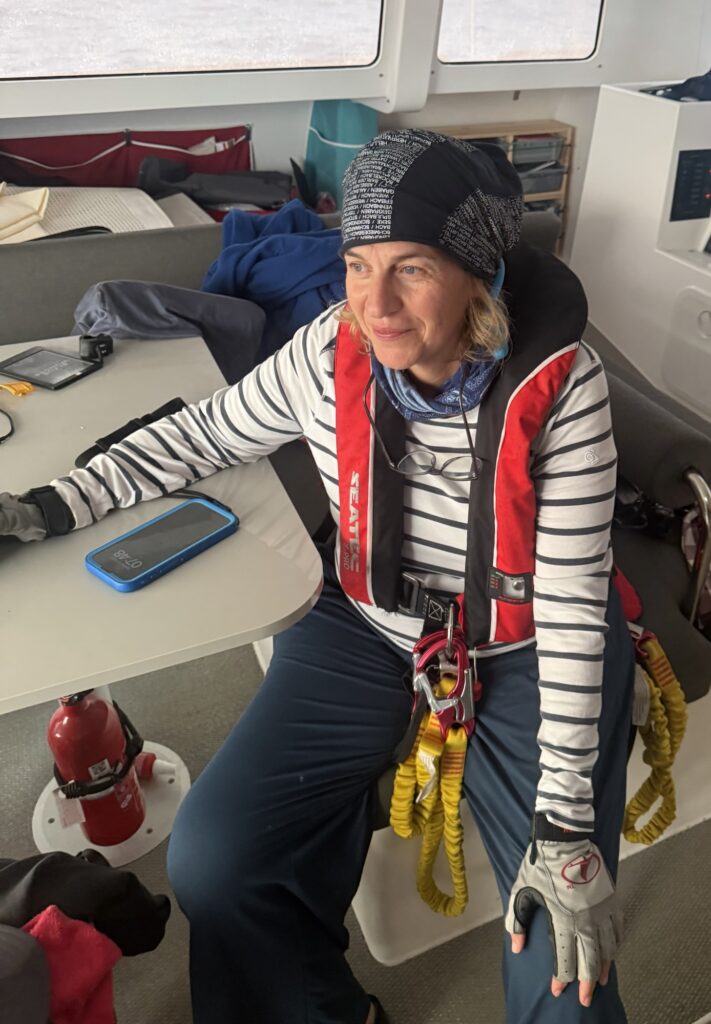
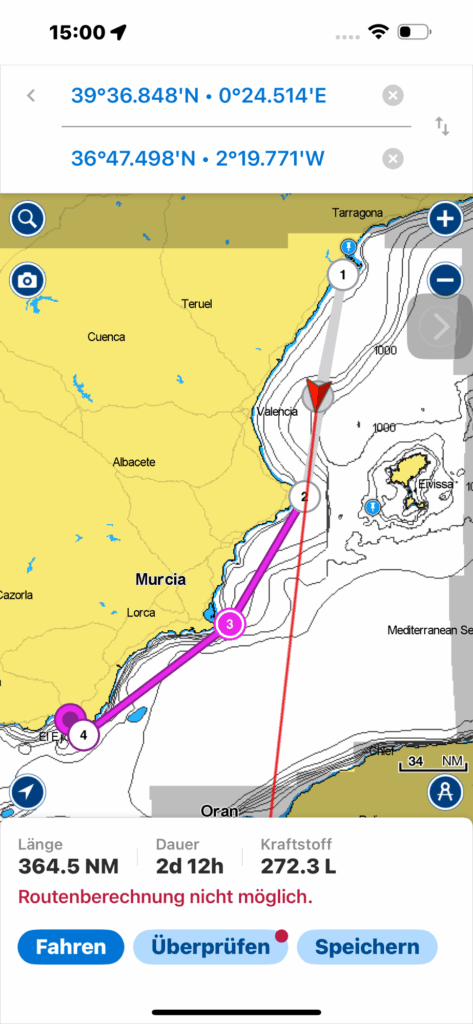
Without the moon in the night sky, a ride on the biosphera is a bit like a rollercoaster in the dark. It rocks, but you don't know how high the wave will make you jump. You can recognise ships at night by their lights, but I increasingly rely on the plotter, because most ships that have an AIS are displayed there with their direction of travel. At night, I can hardly recognise the boats, sometimes not even their direction of travel. Tankers, sailors, freighters, fishing boats, fish traps? ... Sailing through two nights with two people is challenging, especially with changing winds. The noise generated by the boom when the sheets flap is nerve-wracking, almost aggressive. Martin sets the sails as I leave my night watch, completely exhausted. Not everything goes as planned, the genoa doesn't furl - swearing, noise - I just want to sleep "please switch on the engine!" The steady hum lulls me to sleep, I find that the centre cabin calms me down more when there are waves from the front, and the small window gives me a view of the water - soothing, earplugs in - that's good. In 3 hours it's my turn again. Martin tries to set the genoa again, the wind is just too tempting, but he didn't see that the spinnaker halyard had rolled into the genoa during the night. Back on the foredeck, always securing the lines that are stretched across the boat. At night you want to go overboard even less. I'm really stressed ... On the second night, we agree that for safety reasons we'll motor in bad wind conditions, even if it's not that sustainable. If we have more crew on the biosphera soon, then we can dare to do more.


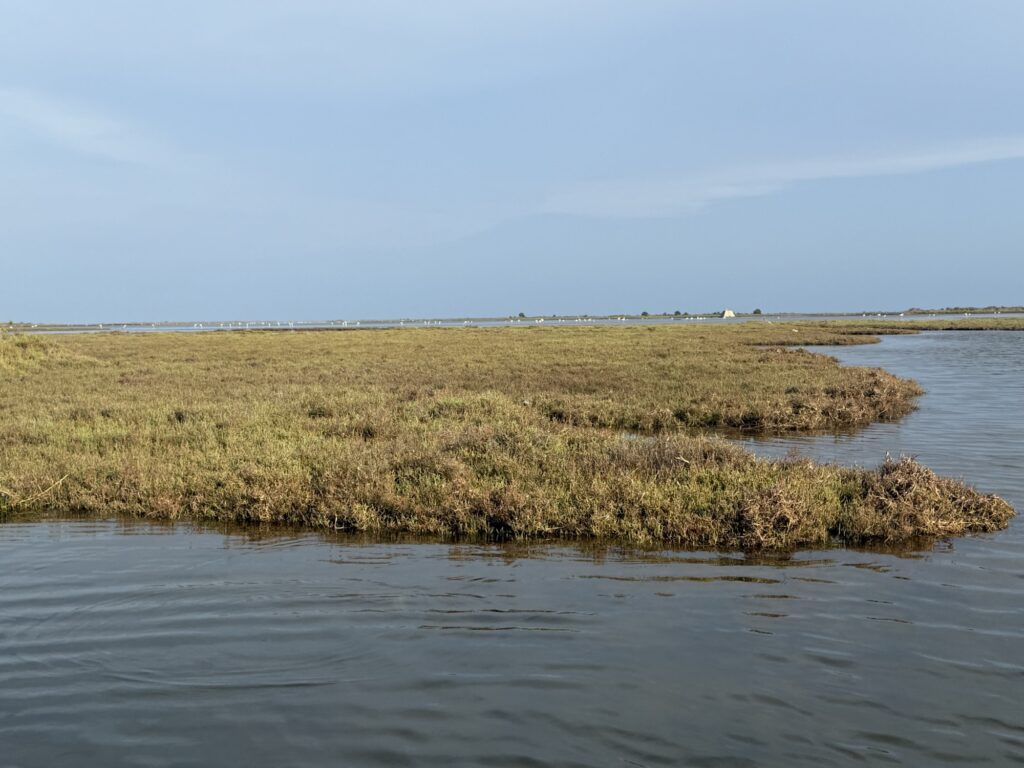
Luckily, we had allowed ourselves some rest and shore excursions in the Terres de L'Ebre biosphere reserve near La Rápita before the long onward journey. After a 20-minute swim through shallow water, we suddenly see a pile of slime in front of us. It looks like a folded-up squid. Is it asleep? It slowly crawls away from our feet, as if it wants to sneak away. We stand still. And then it unfolds, head first, and darts away quite quickly through the shallow water. That was another highlight! Anyone who has seen the film "My teacher, the octopus" may also see these creatures with special eyes, could you make friends with them?
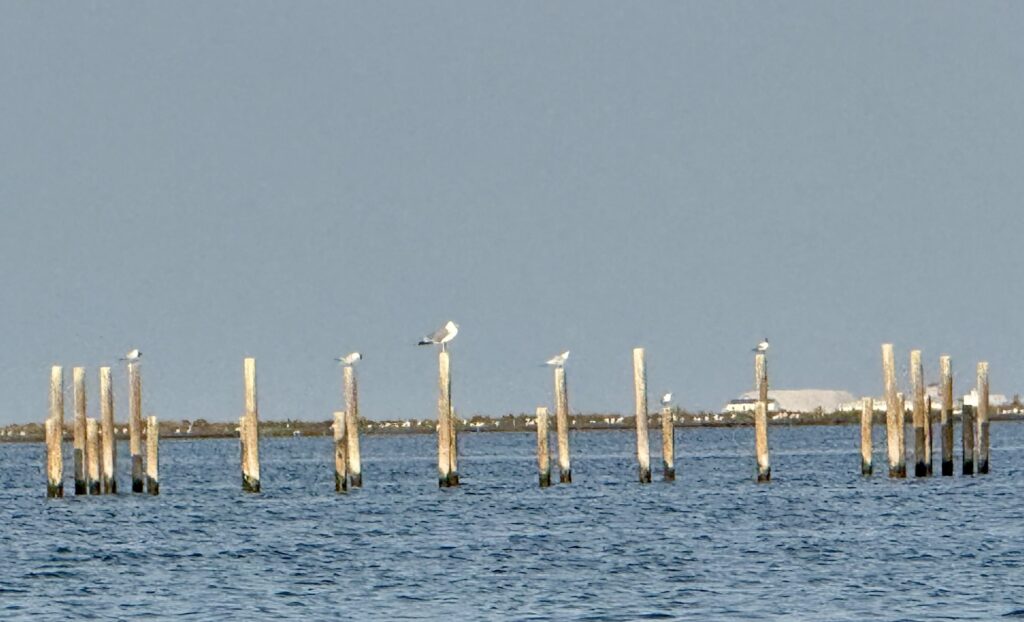
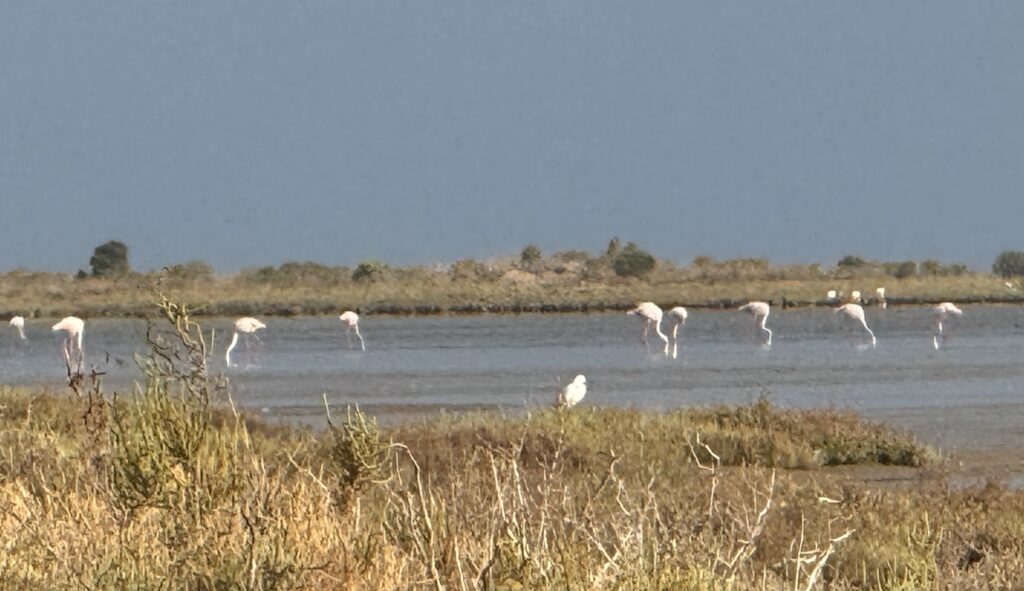
I am particularly fascinated by the tranquillity that emanates from the outstretched salt marshes; we see flamingos in the distance. All around us is peace and quiet, we just sit there and enjoy the spectacle and experience how these beauties eat their food consisting of small crabs, mosquito larvae and other molluscs. Intuitively, you realise that this place is extremely important for these birds, that this is their kingdom! The River Ebro characterises the landscape and the people.

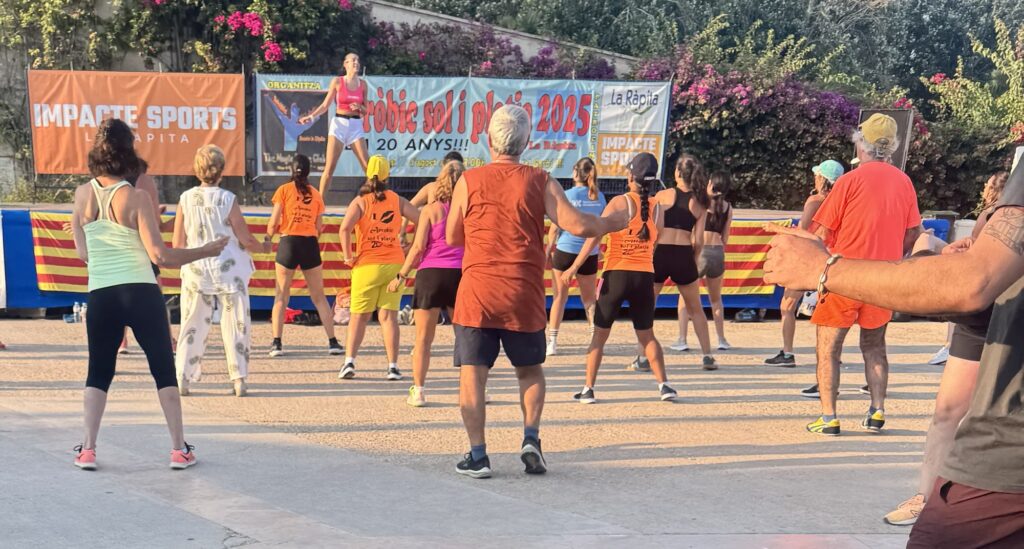
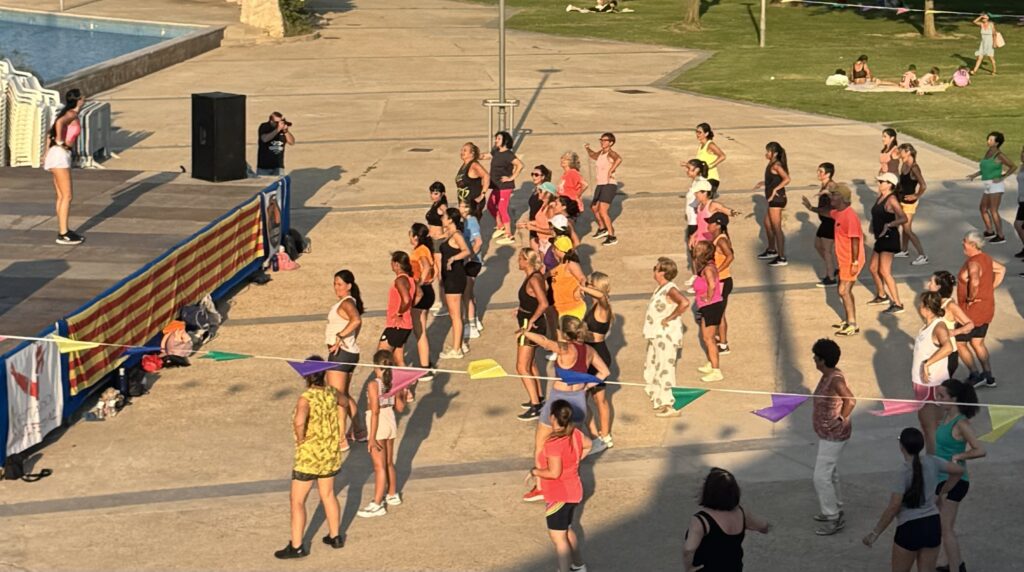
La Rápita welcomes us with loud Latin American sounds. A crowd of people of all ages gathers near the beach. Women in particular are swaying their hips to the dynamic lead dancer "Maria". Martin and I try to copy cumbia, salsa and samba. It's a lot of fun and really exhausting! I've read that the legs atrophy in long-term sailors, so any kind of leg exercise is important! How much fun it is to dance, even if it looks a bit strange for us.
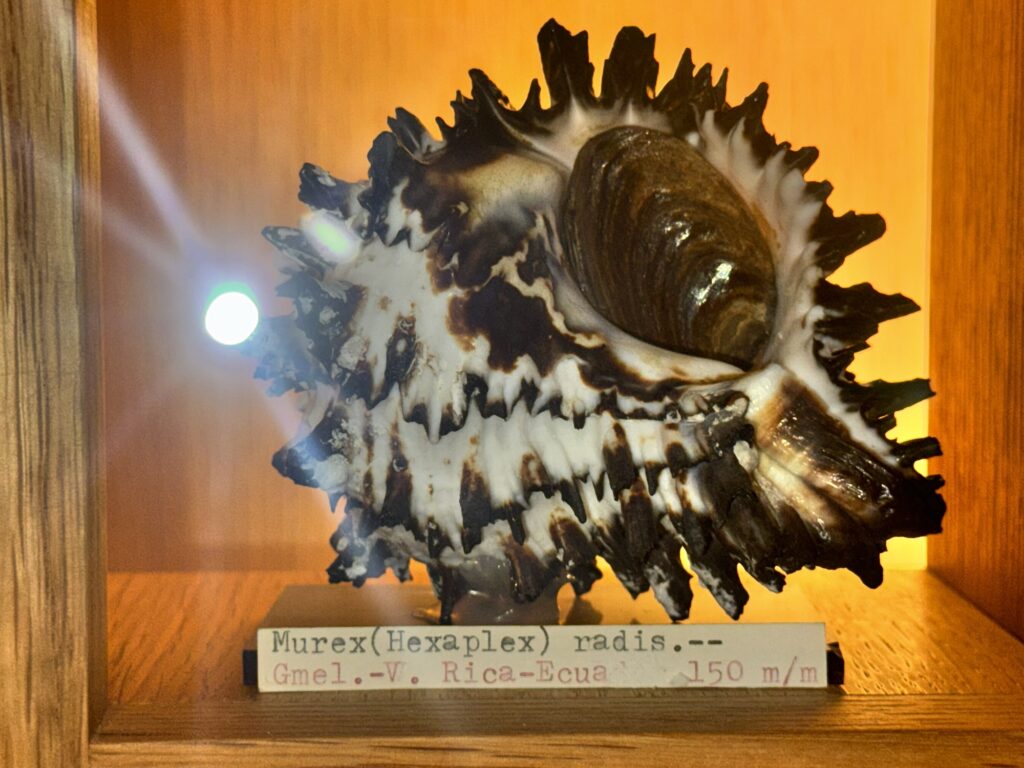
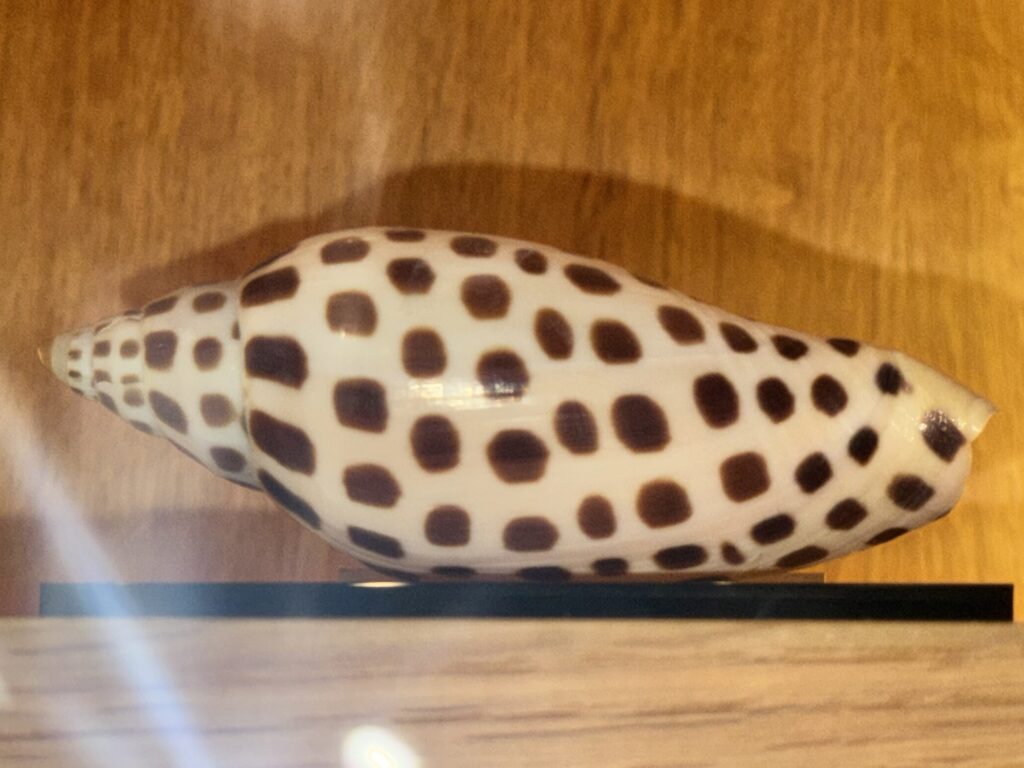
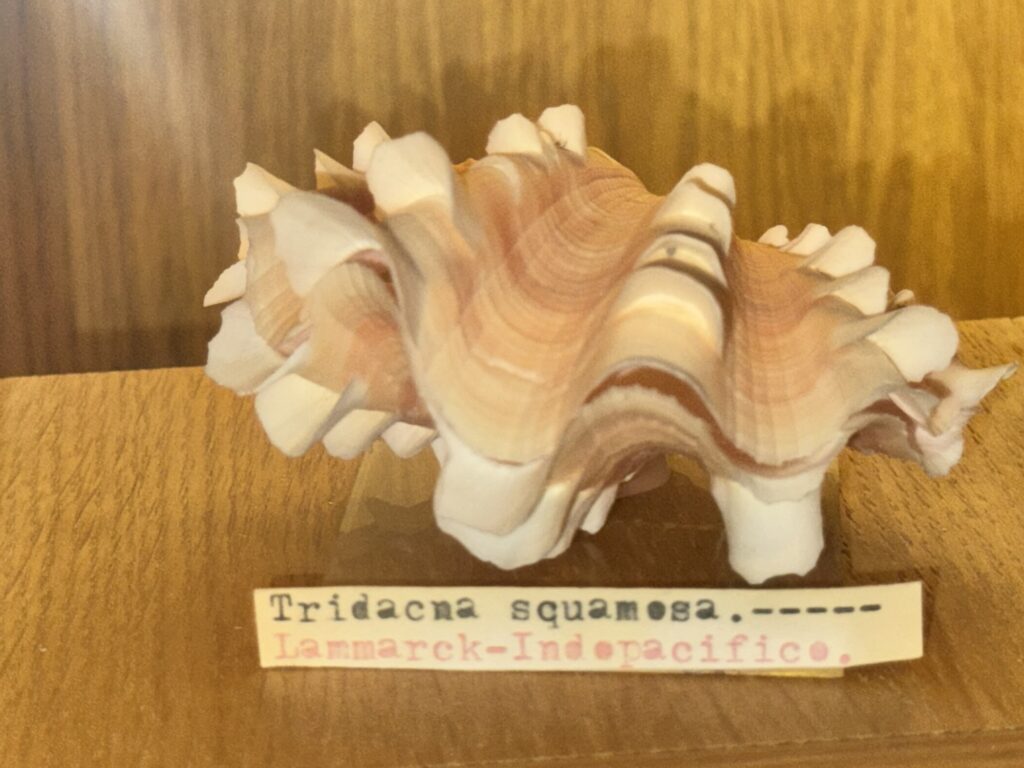
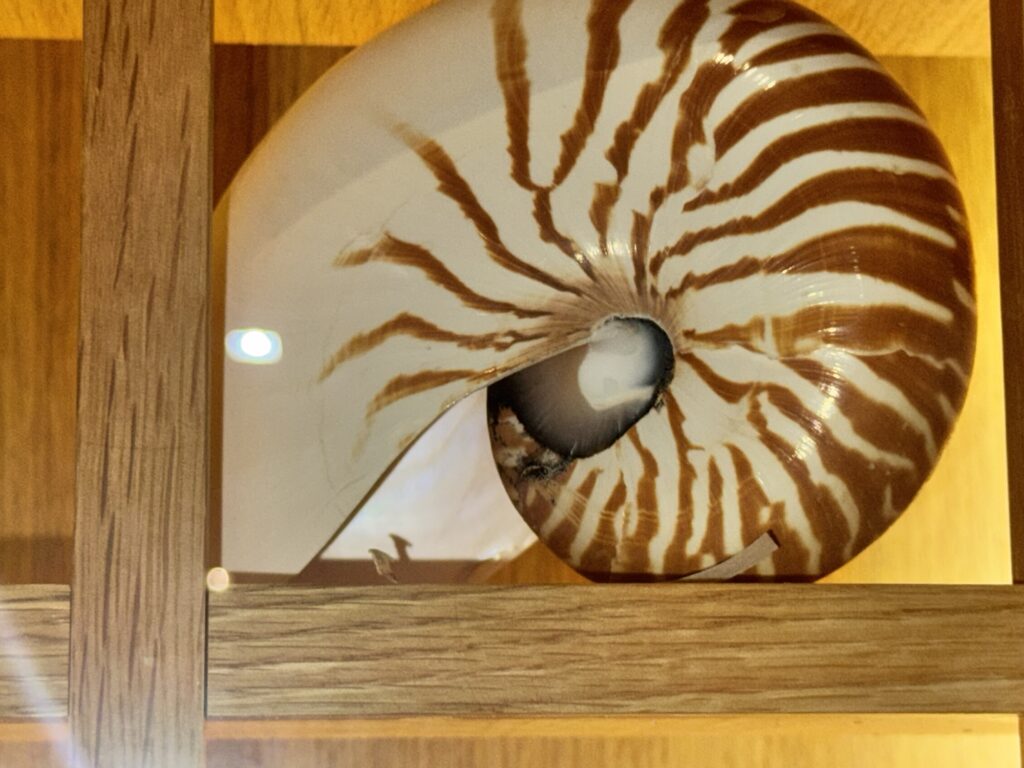
The small maritime museum tells of the town's Arab roots and the importance of the extraction of sea salt from salt pans. The large collection of different shells in all shapes, sizes and colours shows the diversity of the sea in a particularly impressive way. Here I learn about the writer Sebastian Juan Abró, who was born in Sant Carles de la Ràpita in 1902 (see opening quote) and impressively describes the Ebro Delta and the farming and fishing lifestyle there, the relationship between people, land and sea as well as the social conflicts and historical upheavals in Catalonia.
In the evening, we treat ourselves to delicious tapas with a variety of seafood, which is not available in our street restaurants, only the portion of patatas bravas with various dips is actually too big.
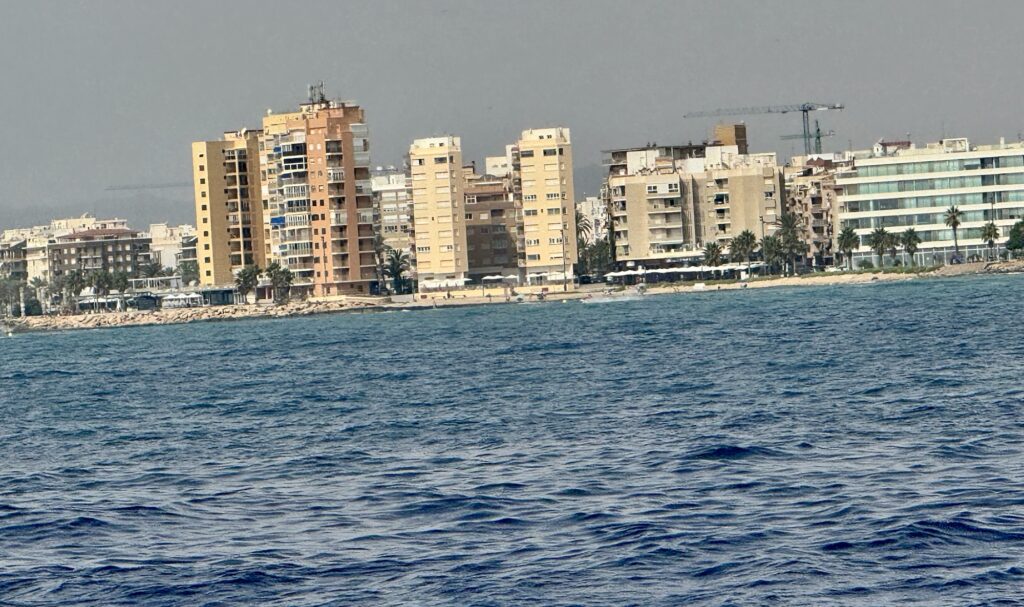
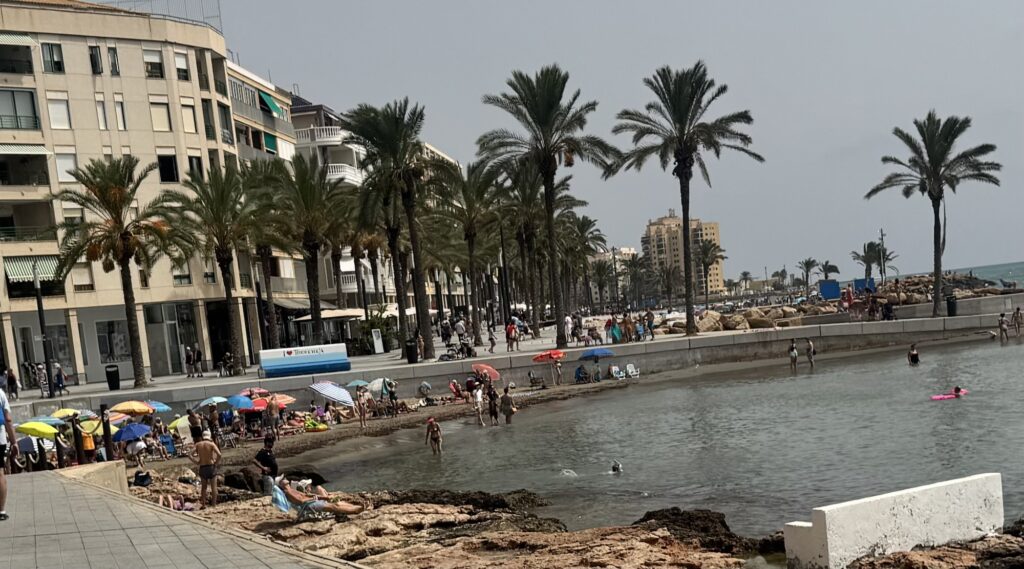
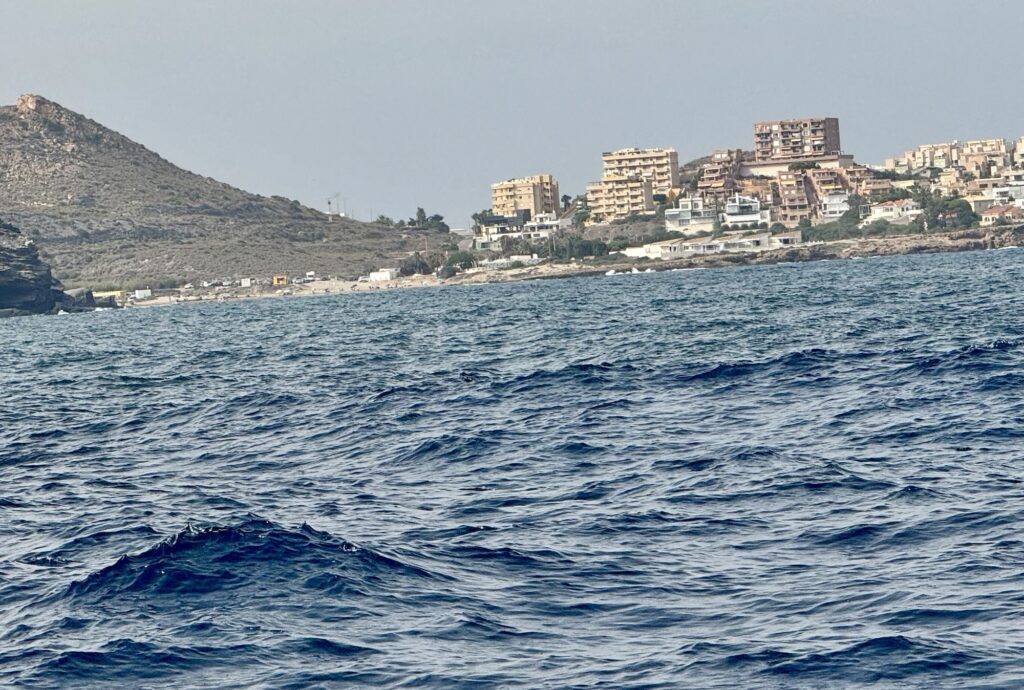
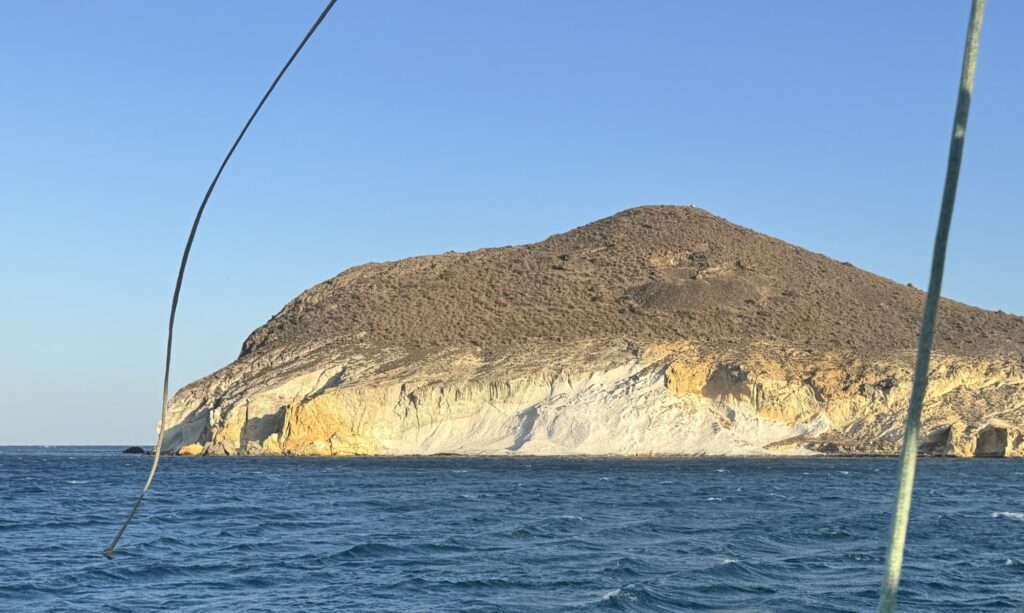
The journey from the Ebro Delta towards Andalusia takes us past the completely built-up Costa Blanca. We have to refuel in Torrevieja and I take the opportunity to buy some fresh fruit and vegetables; food that doesn't keep for long on deck. To be honest, I'm shocked by this place. The heat is unbearable, the sun merciless and yet people are lying on the crowded beach in the blazing heat. I heave the heavy shopping onto the boat and off we go... and then the next morning at 8.00 am we reach the next biosphere reserve "Cabo de Gata-Néjar". In the bay of Genoveses, we seek refuge from the extreme wind that awaits us over the next few days. And what can I say: it's so beautiful here!
The ecosystem is completely different, the volcanic origin is immediately recognisable. The special thing here is that the dryness creates a desert climate, but the high humidity (70% here) also provides a habitat for some plants. I learn from the website that there are various specially adapted palm species here. I had tried to contact the biosphere reserve administration beforehand. However, I was only referred to the website. No staff, peak holiday season! So I try to find out more online. Unfortunately, the information is rather superficial and I don't have the nerve to delve deeper online. I prefer to see for myself and jump into the crystal-clear water with a snorkel. Unexpectedly, I am greeted by a colourful variety. Under our boat, fish about 10 centimetres in size have gathered to greet us happily, larger, lighter-coloured fish are basking at the bottom and then we snorkel over seagrass and things get really colourful here. Does anyone have a recommendation for a good online encyclopaedia for fish names? I have no idea about the marine ecosystem yet, but I suspect I might develop a great love for it. Not all fish are as colourful as the sea peacock, but all of them together are simply enchanting. The fish swim around us completely relaxed, not allowing themselves to be disturbed. The blue tones of the sea also cast a spell over me and then I watch a duck diving, at great speed it dives down to at least 6 metres, what a spectacle.
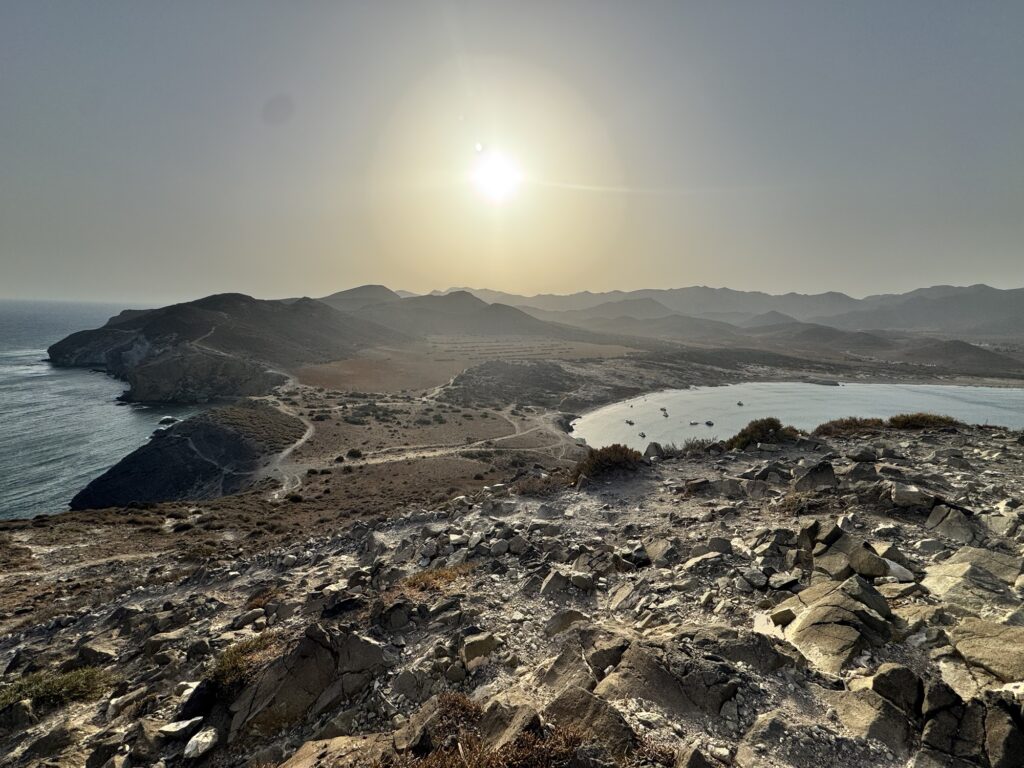

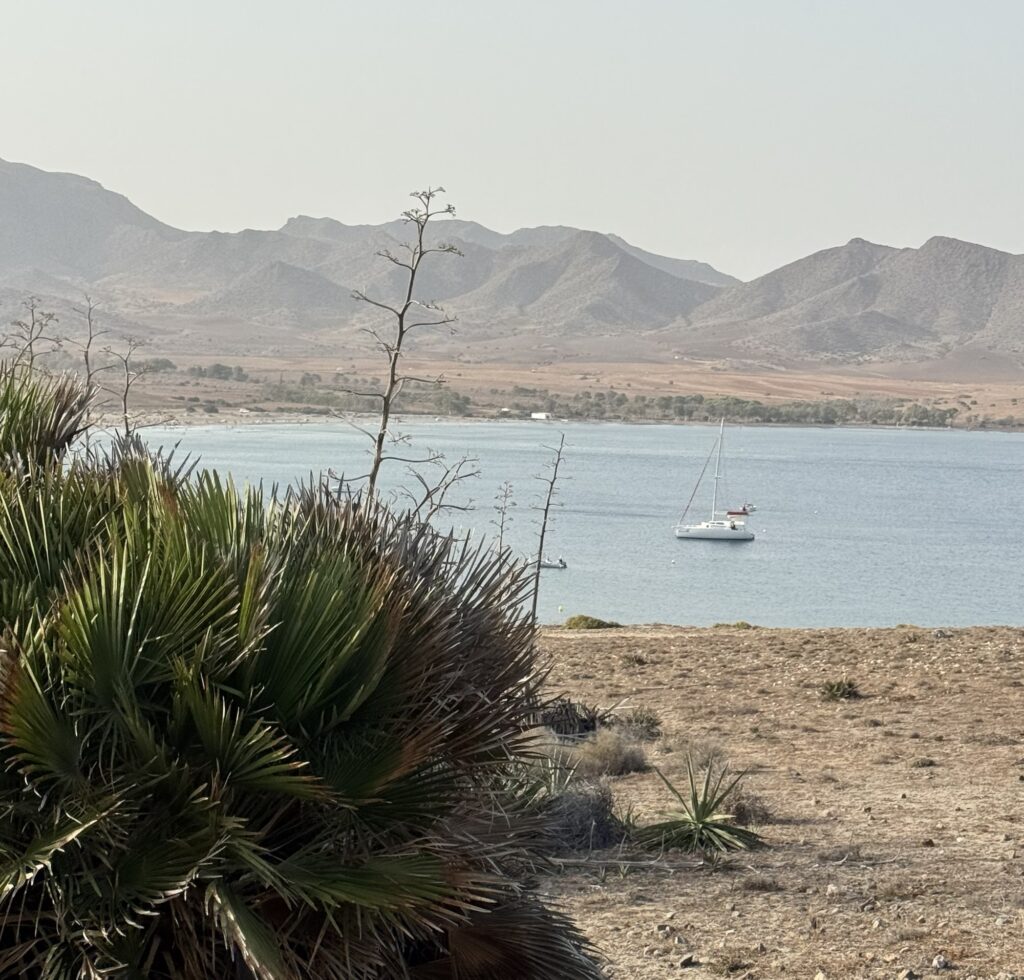
After a lovely evening walk ashore, which spoils me with a loooong shooting star, I fall asleep contentedly in the quiet bay that we share with eight other sailing boats on the last night. With strong winds (up to 35 knots at times), we couldn't leave the boat the following day, but we cleaned, washed, tidied up - up down and because we are networked, we also worked on the computer more than I would have liked....
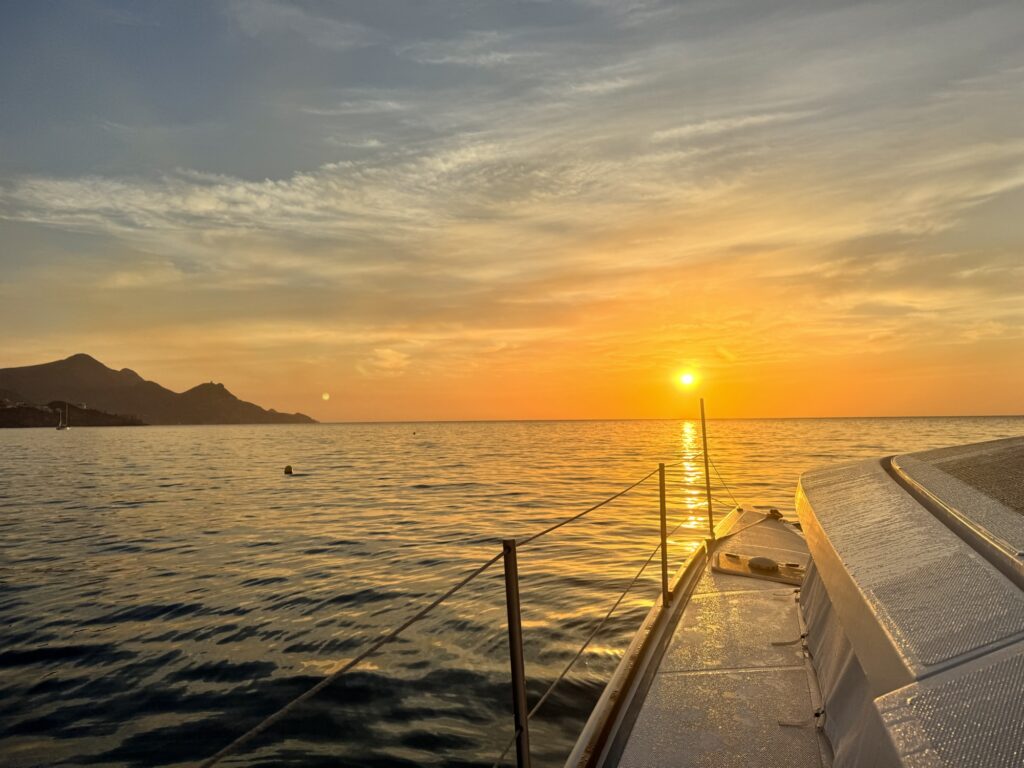
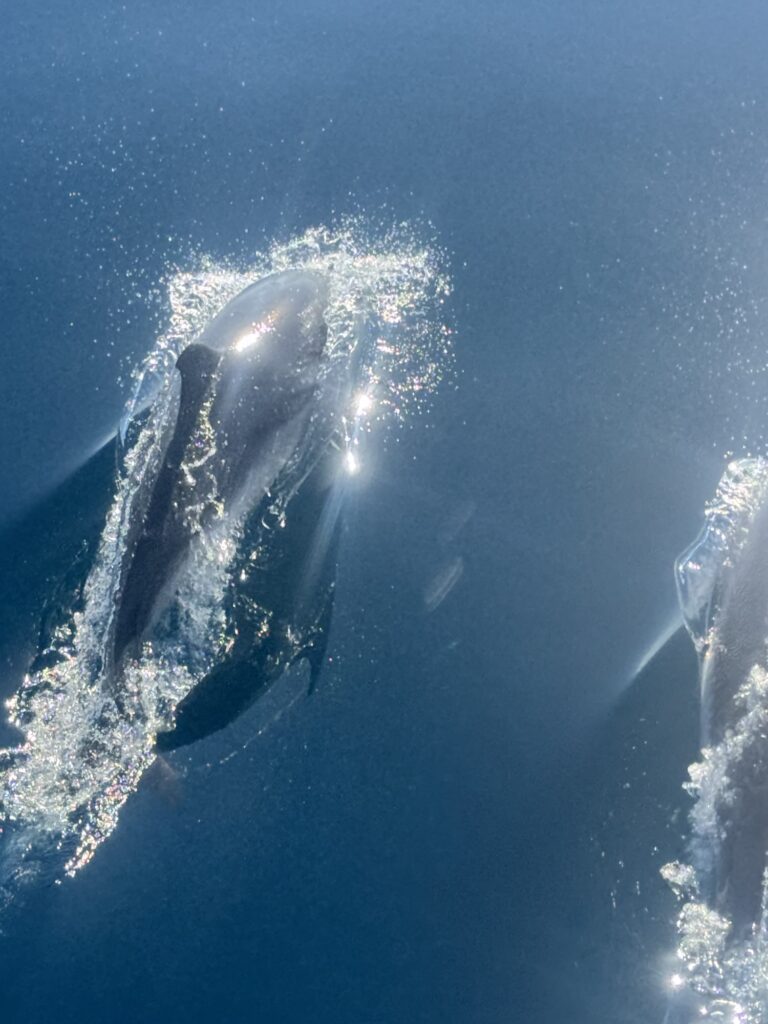
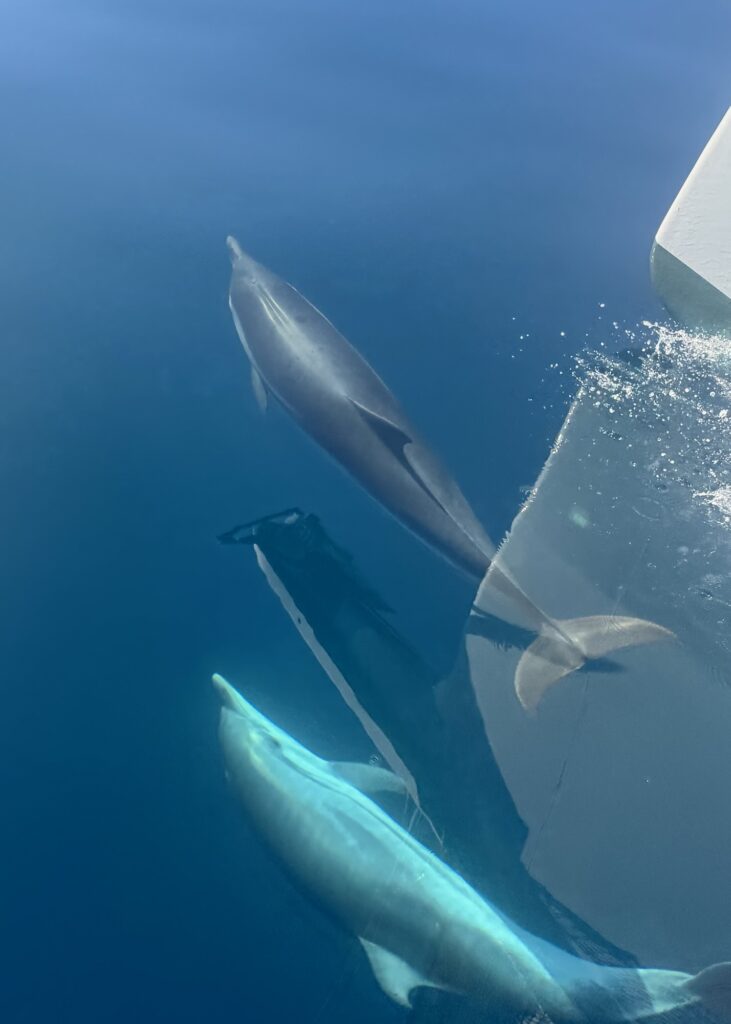
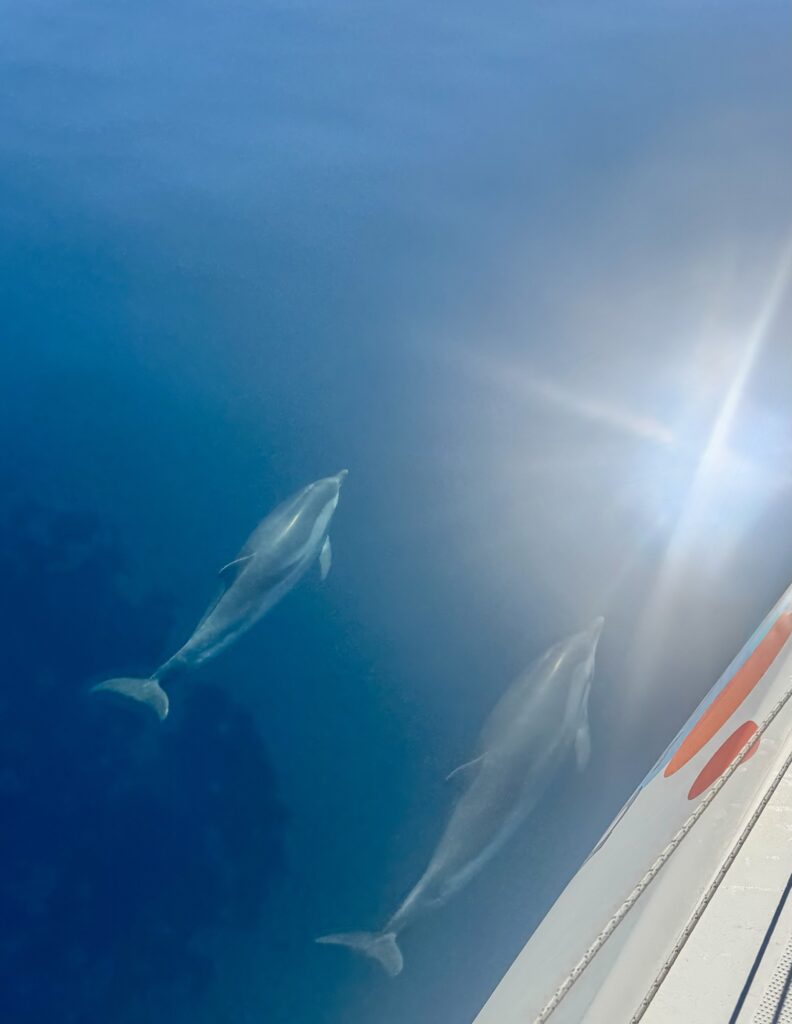
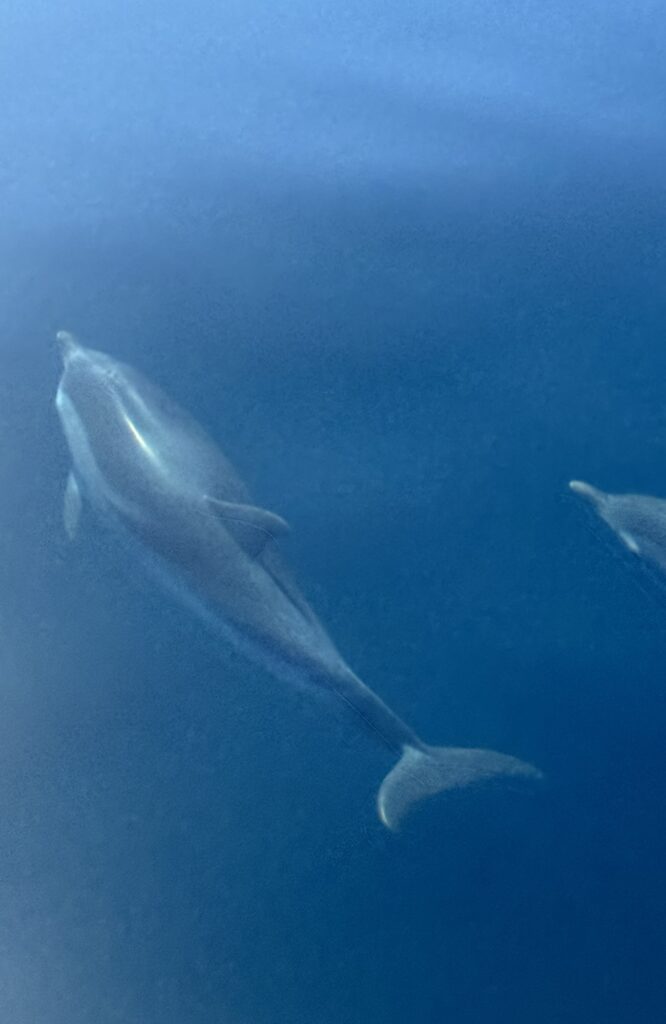
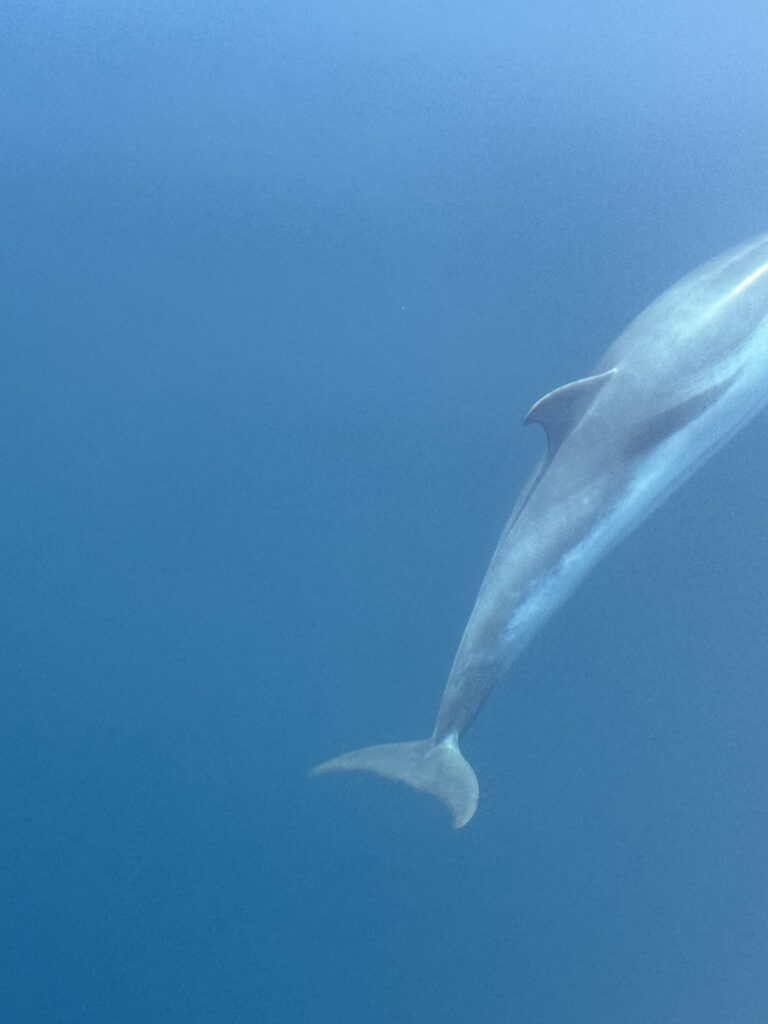
Today we will be travelling towards Gibraltar for about 32 hours, unfortunately not with the expected wind - calm. However, we have already been rewarded: at least 20 dolphins swam along with our biosphera at 6 knots! I don't know what kind of dolphin, but they were very friendly! And for dinner at Punta de Banos, the next group of dolphins came to visit us. THANK YOU!
Dear Katja, it is a great pleasure to accompany your journey
I have great respect for your performance - especially the night watches 😟
....and that you still have the strength to write your blog 🙏😟
We've also felt the mega wind here in Ikaria/Greece over the past few days, so we've got an idea of what it's like.
We send you energy💥, good humour 🥰and strength
💪🏽
Best regards from Martina and Tojo
Thank you Martina! Now that I'm in Gibraltar, I realise how exhausting the tour has been so far, but also that I wouldn't want to miss any of it. Gibraltar is exciting in terms of history and infrastructure. However, after 2 hours of walking on tarmac I am completely exhausted, I am no longer used to the smell, the noise and the many people. I'm already looking forward to sailing on!
Best regards!